Field notes: the second story nobody filed a permit for
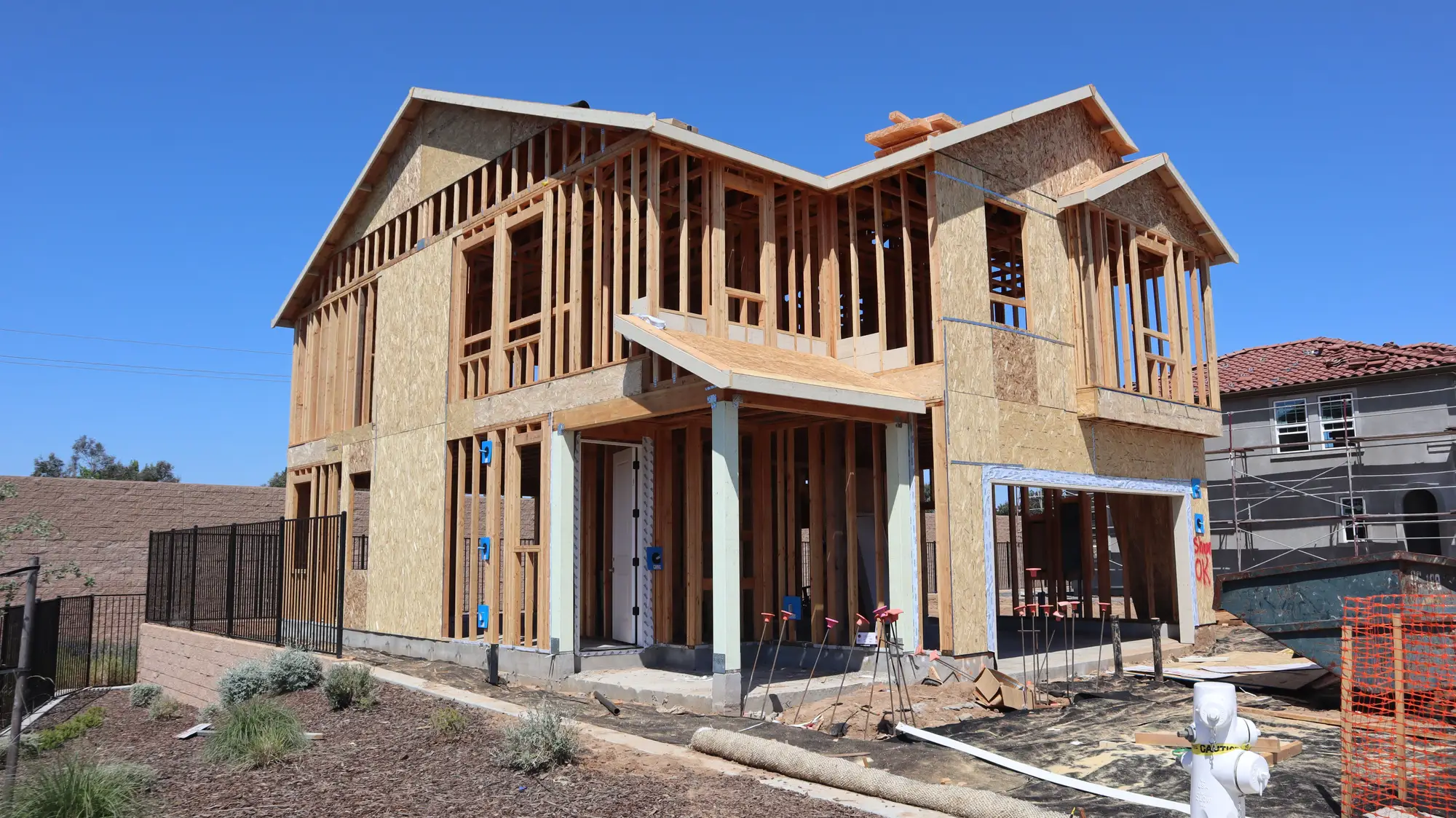
The file said deck. Six months of lumber deliveries later, it was a second story.
That's the pattern that comes up more than any other when you talk to people who sign off on as-built inspections. Somebody pulls a permit for a rear deck, a sunroom, maybe a garage conversion. The plan set is modest. Then the framing crew that shows up in April is still there in August, and what's going up over the back half of the house has a ridge line that wasn't on anybody's drawing.
Nobody amended the permit. Nobody called to ask if a height variance applied. The work just kept going, inspection to inspection, until the roof was dried in and the siding crew started.
Nobody in the department noticed, because nobody was looking at that lot specifically. The inspector who signed off on the deck footing never had a reason to go back. The file sat closed.
What surfaced it, nine times out of ten, was a neighbor. A new shadow across a garden bed in October. A sightline into a kitchen window that wasn't there last spring. Somebody picks up the phone, and only then does a case get opened on a structure that's already framed, sheathed and halfway roofed.
By that point you're not catching a violation early. You're negotiating one. The owner has real money in the work, the contractor has moved crews to the next job, and the conversation about bringing the structure back to the permitted envelope, or getting it legalized after the fact, happens with drywall already up. The owner didn't plan for that conversation, the contractor didn't budget for it, and the department didn't choose the timing. A phone call did.
What's striking, talking to enforcement staff about this, is how little anyone disputes the mechanism. Most enforcement officers call complaint-driven enforcement a workaround that staffing forces on them. A reactive visit is the only kind of visit that current staffing and current workload make possible for a department running three enforcement officers against a backlog of active complaints. A department like that doesn't have spare capacity to drive past every residential permit on file twice a year to check it got built the way it was drawn. The deck-that-became-a-second-story case is a gap in coverage, and most people doing this job already know where the gap sits.
The part worth sitting with is that the roofline change itself is visible well before the complaint call. A second story under construction casts a different shadow, holds a different ridge height, and traces a different footprint shape than a one-story house with a deck. That difference shows up in overhead imagery the week the framing goes up, weeks before any neighbor gets annoyed enough to dial the permit office. The information that would have caught this at framing stage, rather than at drywall stage, already exists somewhere. It's just never been checked against the file that said "deck."
This is the case for running a standing comparison against the permit record instead of waiting on a doorbell camera or an angry email, which is the whole premise behind Permit Compliance: check what's on file for footprint, height and setback against what's actually sitting on the parcel, on a quarterly schedule. A roofline that doesn't match the drawing gets flagged in the quarter it changes, while the crew is still on scaffolding.
Showing up mid-build with bad news is a harder conversation than catching it at framing stage, before the siding goes up. If the gap in this story sounds familiar, take a look at what a quarterly compliance pass would have flagged before the drywall went up.