What is grandfathering in zoning code enforcement?
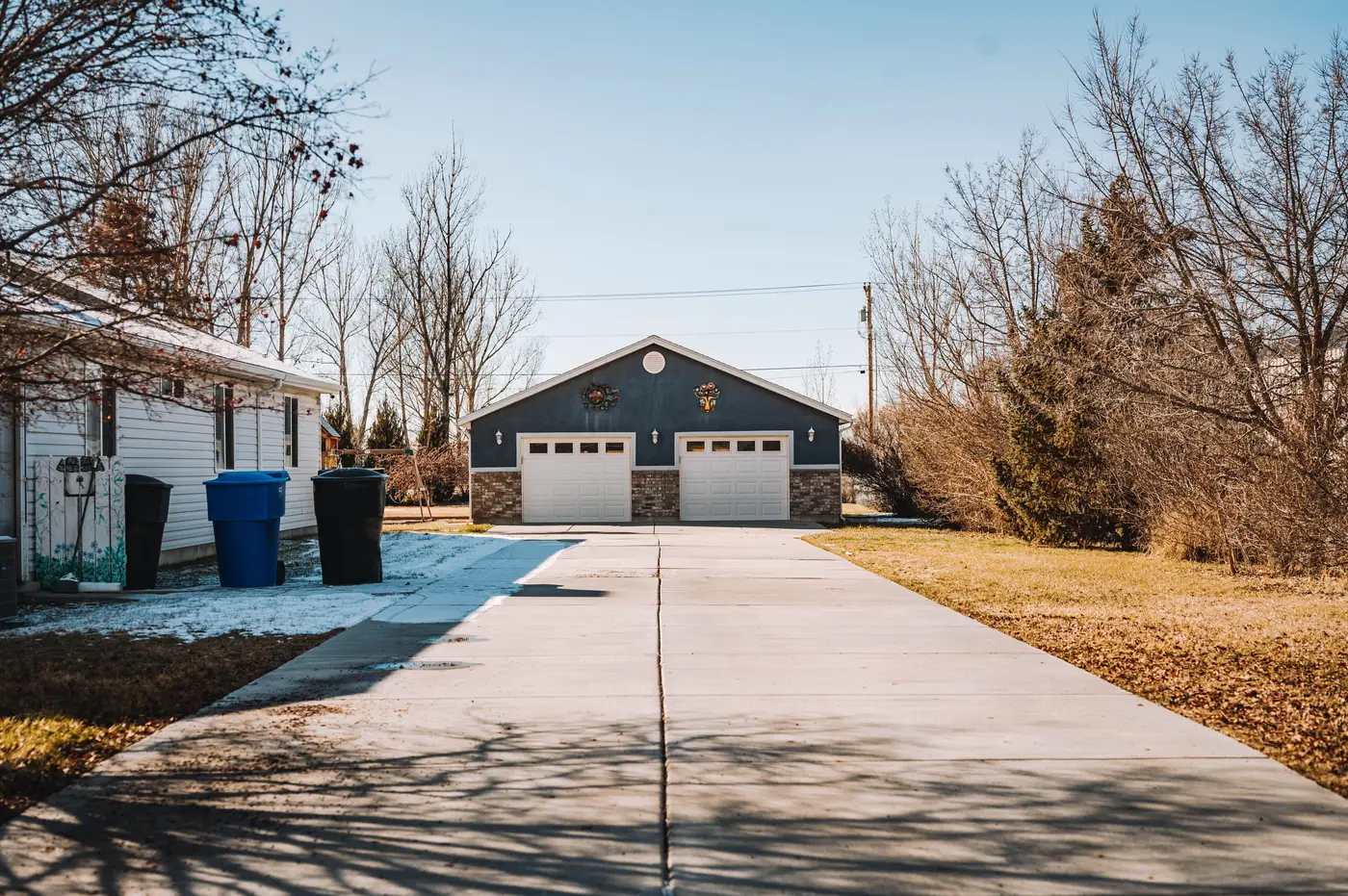
Every jurisdiction has buildings that would never get a permit today. A detached garage sitting four feet off the side line. A two-story building in a zone now capped at one story. A commercial use parked in what's now a residential district. These structures keep their approved status because they predate the rule that would reject them. That's grandfathering, and it's one of the most misunderstood terms a code enforcement officer deals with.
Grandfathering (the legal term is "legal nonconforming status") means a structure or use that was lawful when it was built keeps its approved status after the zoning code changes around it. The code doesn't apply retroactively. The owner doesn't need a variance, doesn't need to ask permission, and doesn't need to justify the nonconformity to a board. Grandfathered status attaches automatically at the moment the rule changes, with no filing required.
Legal nonconforming structure vs. legal nonconforming use
These two terms get used interchangeably in the field, but they're not the same thing, and the distinction matters when you're writing a notice of violation.
A legal nonconforming structure is about the physical building: its footprint, its height, its setback from the property line. Say a zone's side setback moves from 5 feet to 10 feet. A house built to the old 5-foot line is grandfathered as a structure. Nothing about it needs to change.
A legal nonconforming use is about what happens inside or on the lot: a corner store in a district rezoned residential, a contractor's yard in a zone that now bars outdoor storage. The use keeps running under grandfather protection even though it couldn't open fresh today.
An officer can run into a parcel with both problems stacked, a nonconforming structure housing a nonconforming use, and each one gets evaluated against a different test if it's ever challenged.
Grandfathering vs. a zoning variance
This is the mix-up that shows up most on the enforcement side. A variance is something an owner applies for, in front of a board of zoning appeals, to get permission to build something the current code doesn't allow. It requires a hearing, findings of hardship, and a decision on the record.
Grandfathering requires none of that. Nobody applied for it. Nobody approved it. It exists because the structure or use was already there and already legal on the day the rule changed.
The practical difference for an enforcement officer: a variance has a file. There's a case number, a resolution, conditions attached. Grandfathered status usually has no file at all, just an older permit, an old survey, or sometimes nothing but the building's own age as evidence. When you're trying to confirm whether a structure is protected, you're often working from whatever as-built records exist, not a board decision.
Where grandfather status runs out
Grandfathering isn't permanent in every code, and this is where most enforcement disputes land. The common limits:
- Expansion of the nonconformity. Most codes let a grandfathered structure stay as-is but don't let the owner make the nonconformity bigger. Add a second story to that garage sitting on the old setback line, and you've likely created a new violation on top of the protected one.
- Abandonment. Many codes strip grandfather status from a nonconforming use if it sits vacant past a set period, often six months to a year, depending on the jurisdiction.
- Damage and reconstruction. If a grandfathered structure burns down or is substantially damaged, most codes cap how much of it can be rebuilt to the old footprint before the owner has to comply with current setbacks.
- Voluntary change. An owner who demolishes and rebuilds, rather than repairs, usually forfeits the protection outright.
That expansion case, an addition built past the original permitted footprint or over the height line, is the one that's hardest to catch without a field visit, because the file only tells you what was approved, not what's standing now. Comparing the current footprint and height against the original permit record on a set schedule, rather than waiting for a neighbor to call it in, is the approach behind Permit Compliance.
If your jurisdiction is sitting on a backlog of nonconforming parcels you haven't field-checked in years, that's worth a look.